
Muscle Gain Diet Tips: Essential Strategies for Effective Nutrition
Effective muscle gain nutrition focuses on macronutrients, caloric surplus, and protein intake, emphasizing balanced meals and proper timing for optimal growth and recovery.


Effective muscle gain nutrition focuses on macronutrients, caloric surplus, and protein intake, emphasizing balanced meals and proper timing for optimal growth and recovery.
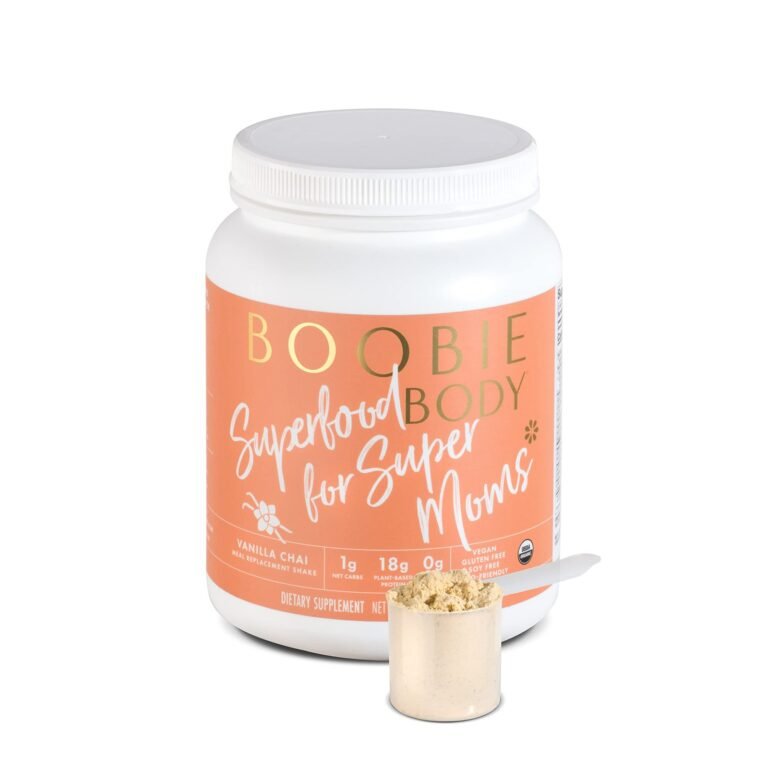
Meal replacement shakes provide busy moms with convenient, nutrient-rich options that include proteins, vitamins, and minerals, supporting balanced nutrition without extensive meal prep.

Nutrition labels provide essential information on serving sizes, calories, macronutrients, micronutrients, and daily values, aiding consumers in making healthier food choices and managing diets effectively.
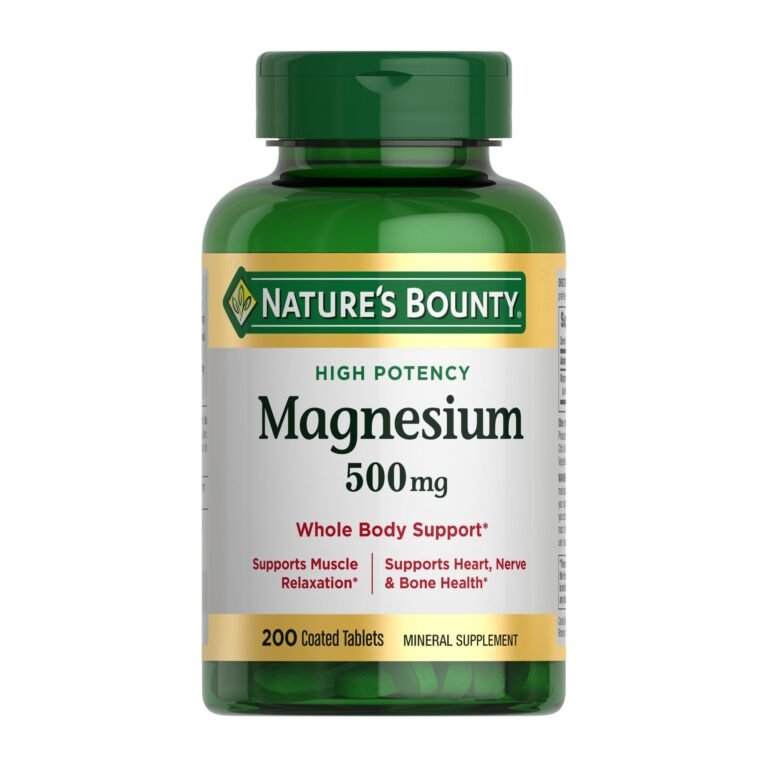
Magnesium supports muscle function, nerve signaling, and relaxation. Various forms include citrate, glycinate, and oxide, each with unique absorption rates and benefits for muscle relaxation.
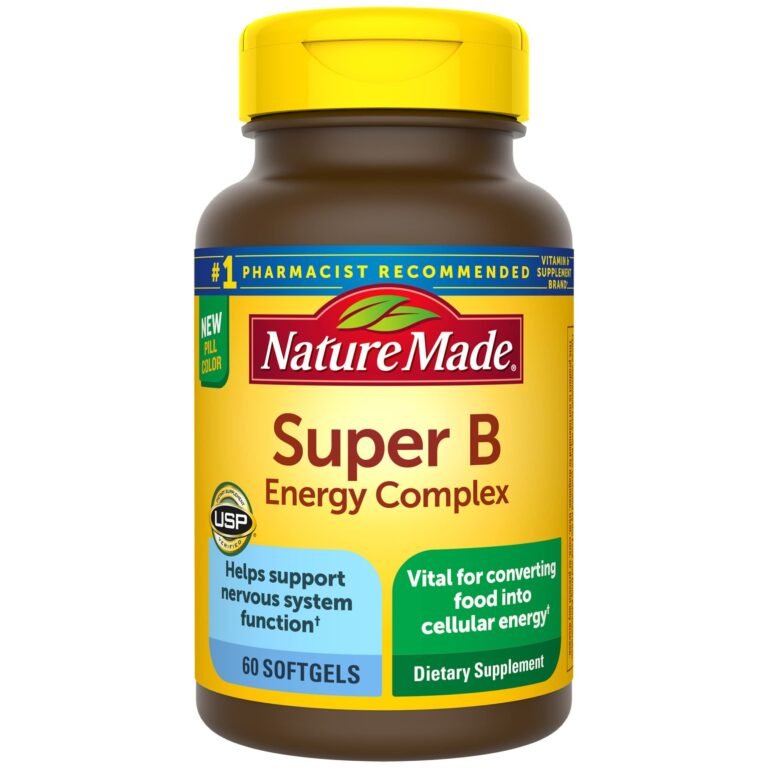
Vitamin B complex supplements support energy levels and overall well-being by aiding metabolic processes, including food-to-energy conversion, and can enhance mood and vitality.
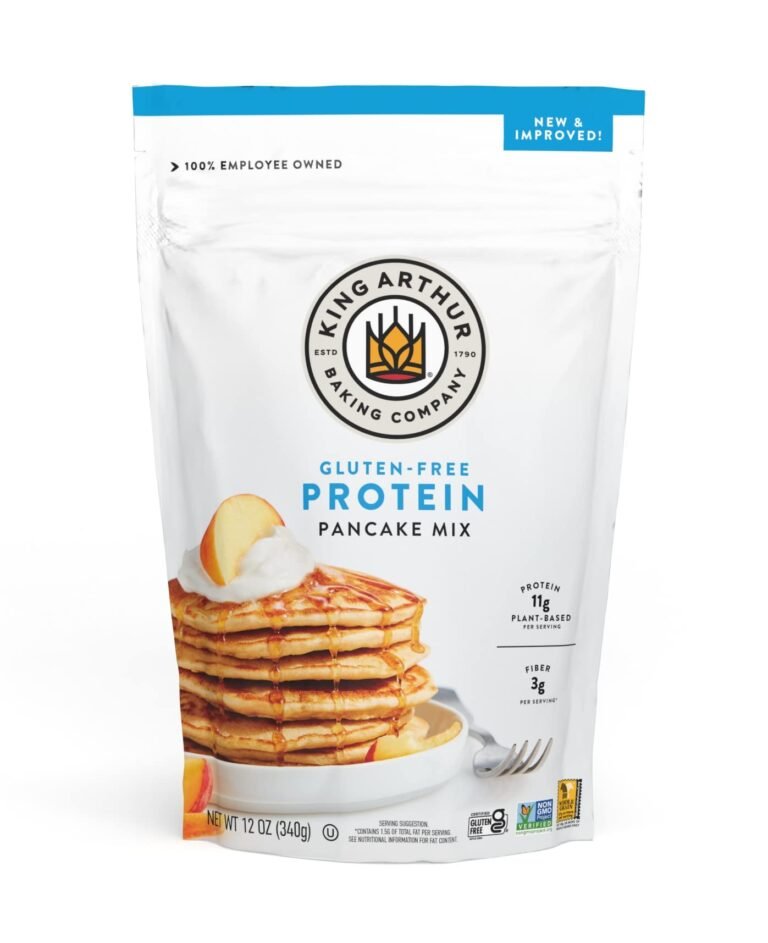
Protein pancake mixes provide a nutritious breakfast option, offering various flavors and protein sources, including whey and plant-based proteins, catering to diverse dietary needs.
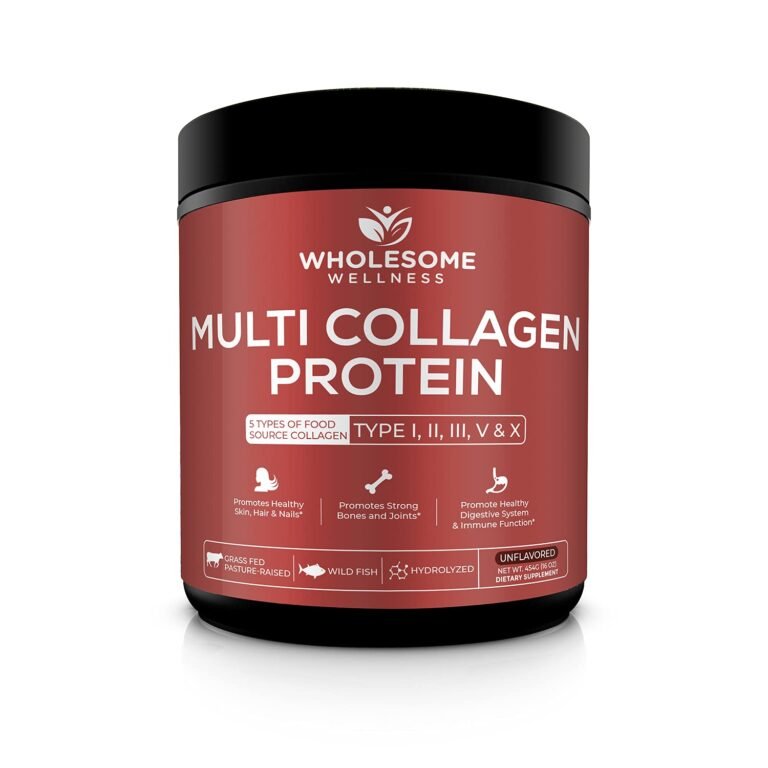
Bone broth collagen powder supports skin elasticity and joint health, providing a rich source of collagen from high-quality, grass-fed animal connective tissues.
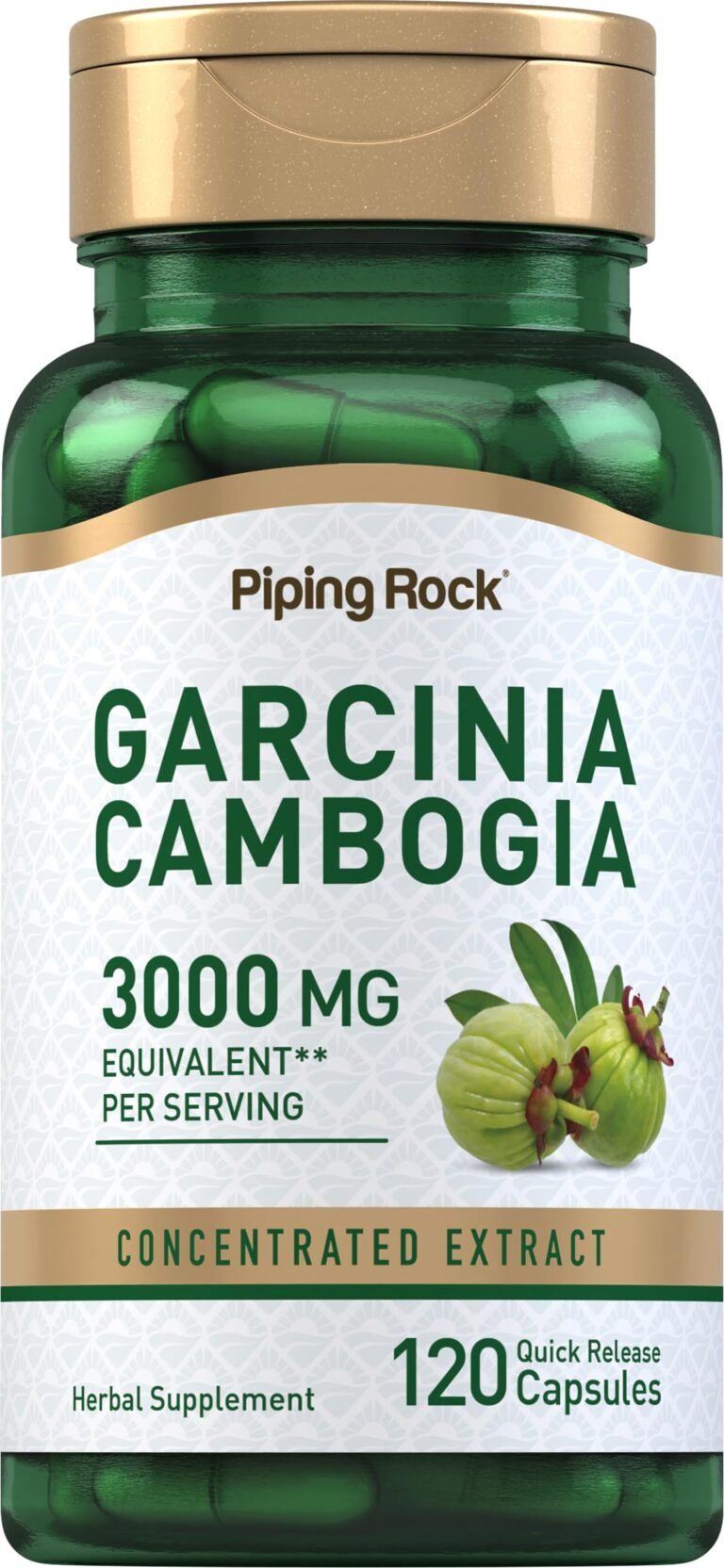
Garcinia Cambogia is a tropical fruit supplement containing hydroxycitric acid (HCA), known for its potential appetite control and weight management benefits.

Diet setbacks commonly occur during weight loss journeys, involving issues like emotional eating, unrealistic expectations, and plateaus, which require strategic planning and support to overcome.
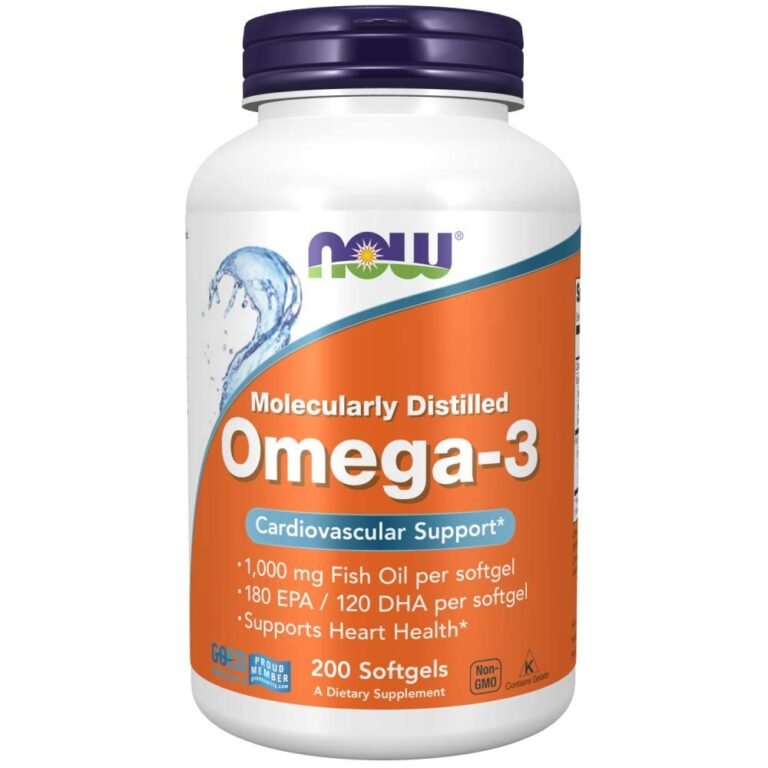
Omega-3 supplements, derived from fish oil, flaxseed, and algae, support heart health by lowering blood pressure, reducing triglycerides, and decreasing heart disease risk.